

Grown From Our Own Beds
Seed Center
Real seeds, real growing guides, written from what actually works in our own South Carolina garden, not a manual.
Shop seeds by type

Herbs
Basil, cilantro, mint, oregano, parsley, rosemary, sage, thyme. Eight varieties, $1.25 each.

Vegetables
From beets to zucchini, twenty varieties covering salads, salsa, and the traditional Southern table. $1.25 each.

Flowers
Sunflowers, marigolds, zinnias, and seven more, built to bring in pollinators all season. Ten varieties, $1.50 each.

Fruit
Watermelon, cantaloupe, strawberries, pumpkins, and ground cherries. Five varieties, $1.25 each.
Growing guides
Step-by-step, from what’s actually worked for us. Ten guides and counting.
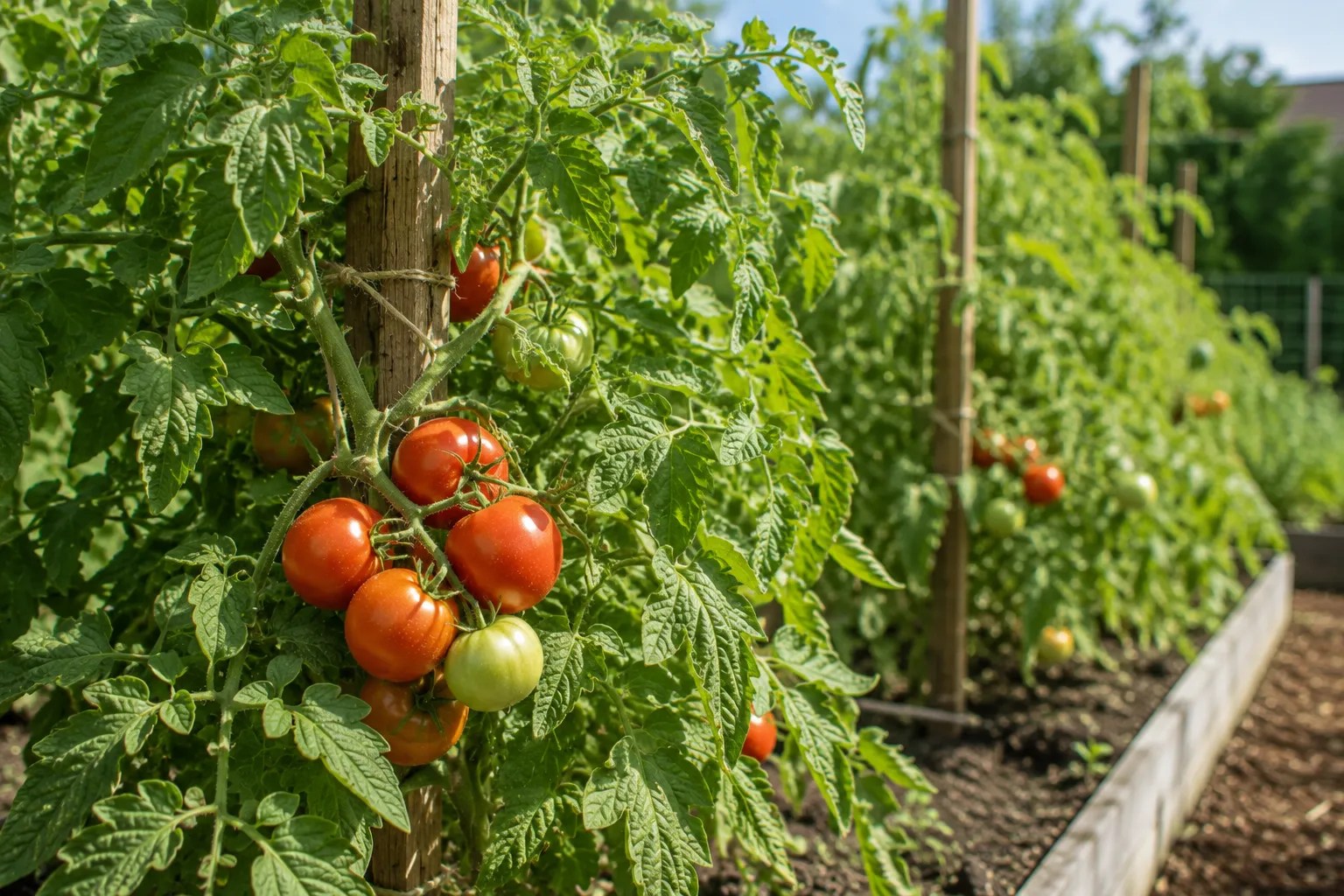
Tomatoes
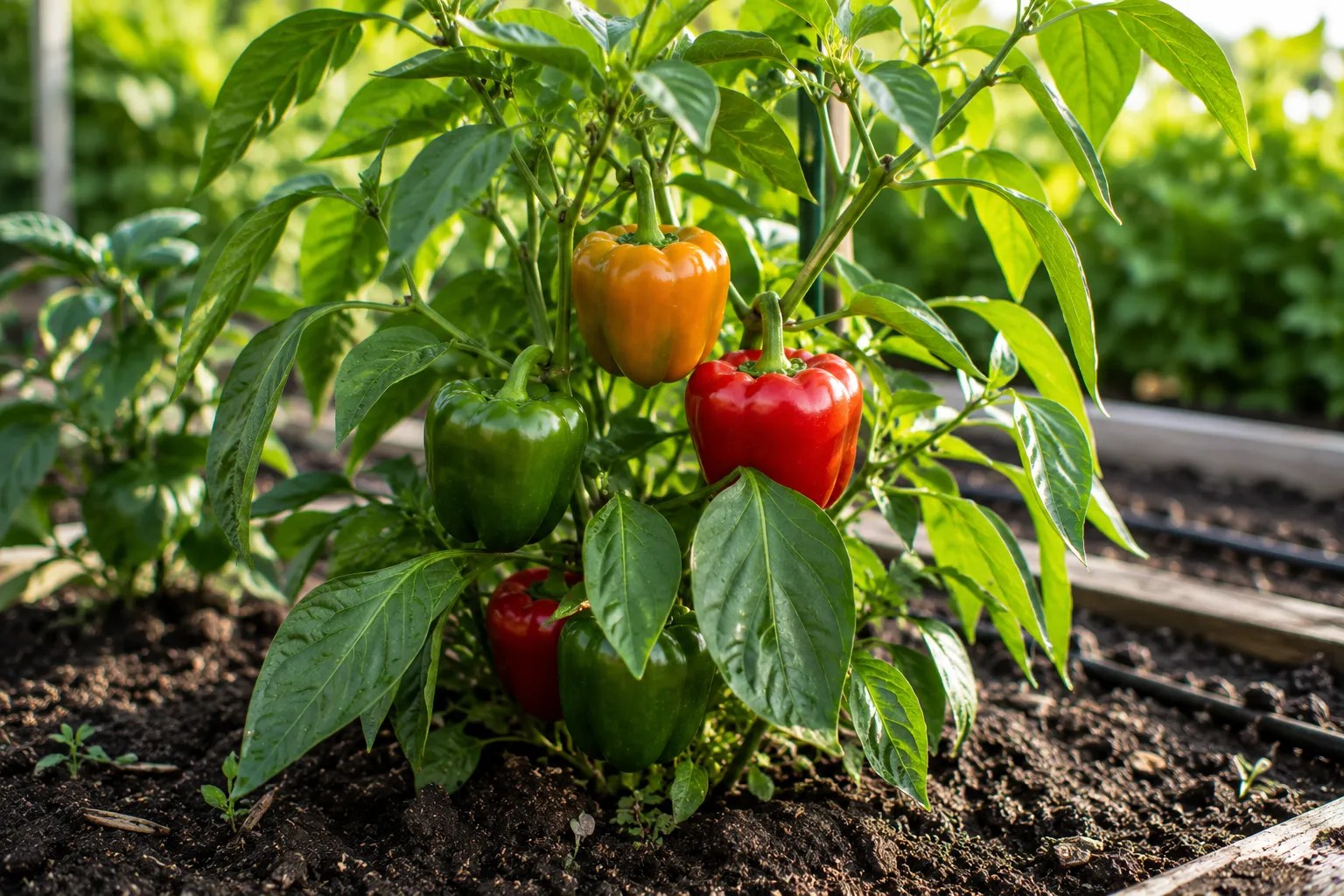
Bell Peppers
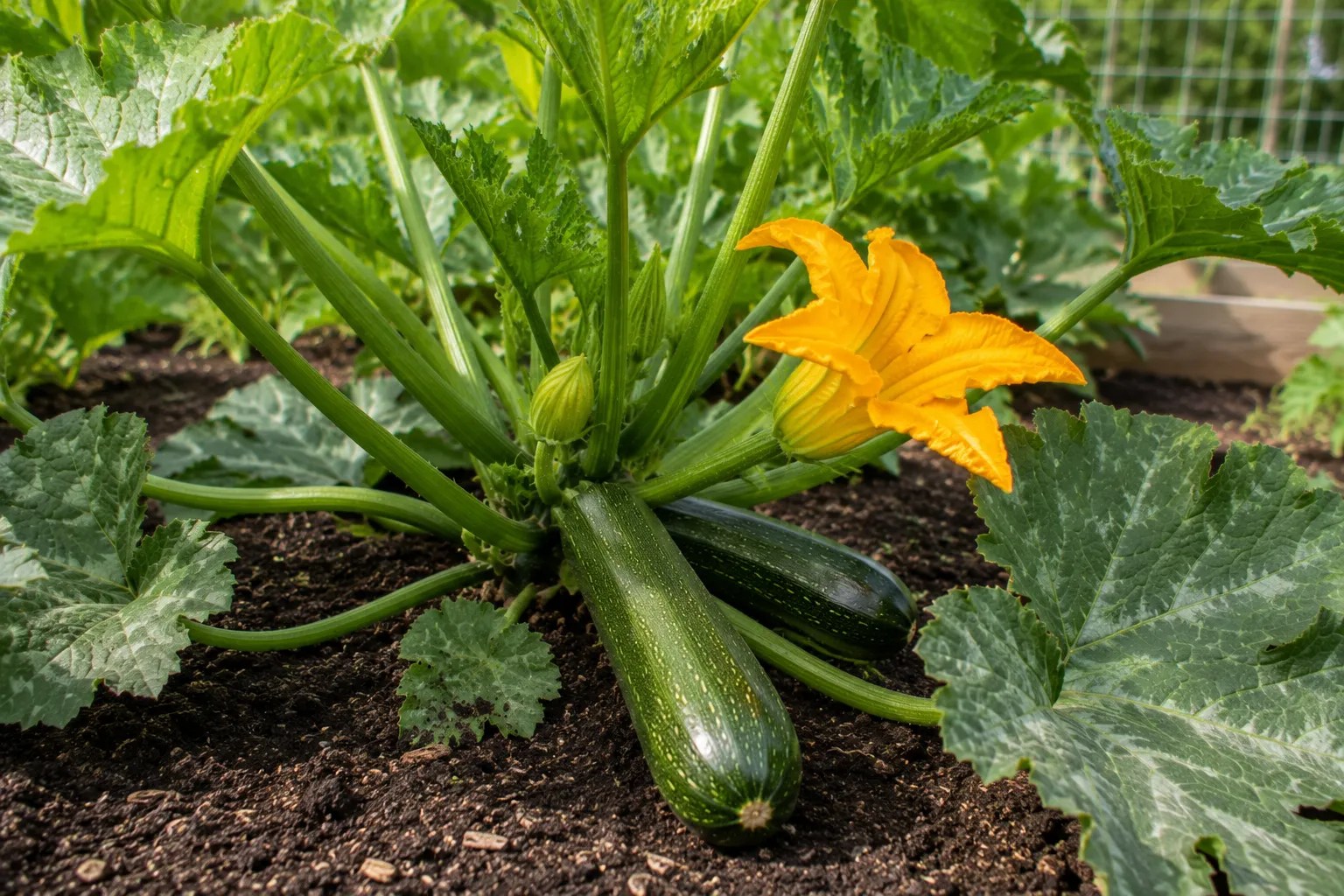
Zucchini
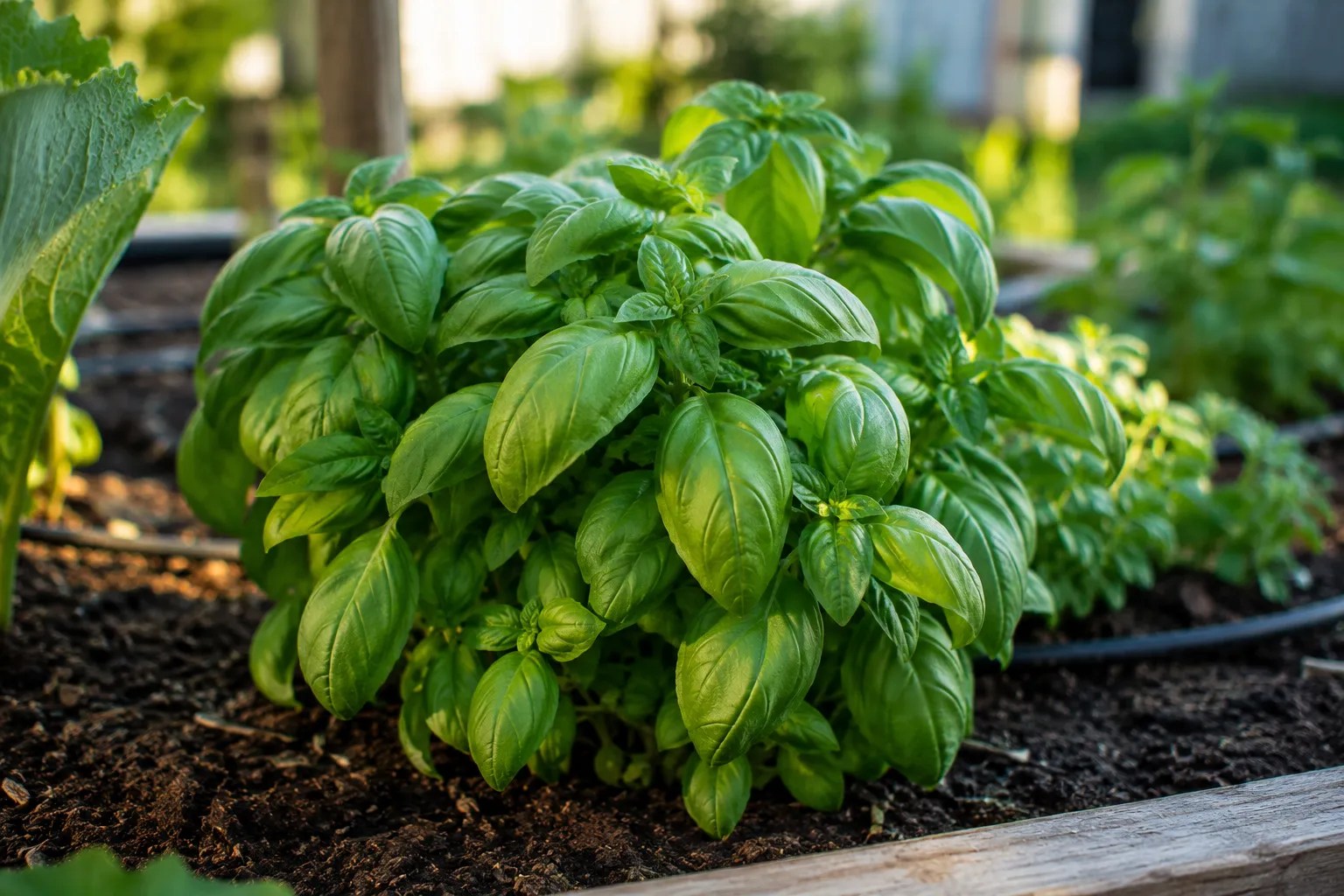
Basil
What to plant together
A few pairings that earn their space in the same bed, not just tradition for tradition’s sake.
Tomatoes + basil + marigolds
The classic for a reason. Basil is said to sharpen tomato flavor and its scent confuses some pests, marigolds work roots against nematodes, and all three want the same sun and water. Bonus: you’ve basically planted a spaghetti sauce.
Beans + zucchini or cucumbers
Beans pull nitrogen out of the air and feed it into the soil; squash and cucumbers are heavy feeders that put it right to use. Plant beans a few weeks ahead so they’re established before the vines start sprawling.
Lettuce in the shade of tomatoes
Tuck a row of lettuce on the north side of your tallest tomatoes or peppers. The afternoon shade buys it real time before it bolts in our summer heat.
Sunflowers as a living trellis
Plant sunflowers on the north side of cucumbers or pole beans. They give afternoon shade to plants that appreciate a break from full sun, and pull in pollinators for everything nearby.
Let cilantro bolt on purpose
Cilantro bolts fast here no matter what you do, so let a few plants flower near your peppers and tomatoes. The blooms draw in the beneficial insects that keep aphids and hornworms in check.
Keep jalapenos away from bell peppers
Peppers cross-pollinate more readily than people expect. Give hot and sweet varieties some distance, or you might get a bell pepper with more bite than you bargained for.
Oh, that? That’s just peppercorn.
A running joke on the farm, ask us about it sometime.